24/7 Emergency Roadside Assistance
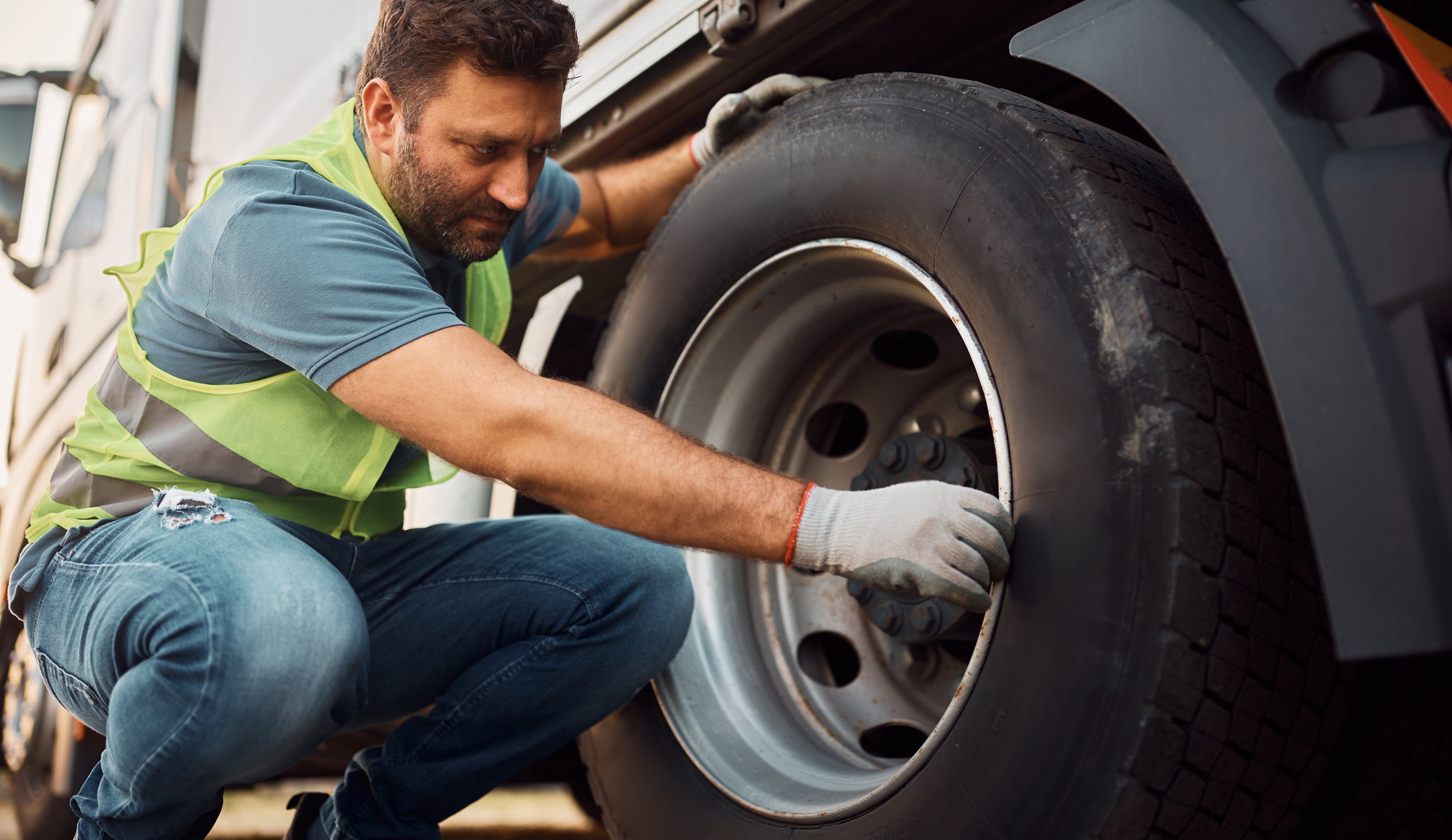
Blowouts rarely happen at a “good time.” And they always seem to occur when you are heavily loaded, behind schedule, and miles away from any safe location to stop and fix the issue. But here’s the good news: Most cases of tire failure are preceded by warning signs and can be avoided with proper repair techniques. The key lies in taking a proactive and informed approach to repairs.
At 2nd 2 None Truck and Trailer, we have helped countless drivers and fleet managers avoid serious issues by doing the following things:
Detecting problems ahead of time
Applying the correct type of tire repair for a truck
Here are some details about semi truck tire repair, causes of semi truck blowouts, and actions to take in each situation.
Common Causes Of Semi Truck Blowouts
Most blowouts are not random. They’re usually the end result of heat, damage, or running conditions that slowly weaken the casing.
Underinflation is the big one. A tire running low flexes more, builds heat faster, and breaks down internally. Even a small pressure loss over a long run can turn into a failure.
Road hazards are next. Nails, screws, and sharp debris create punctures that may leak slowly at first. Impacts from potholes, curbs, and broken pavement can also bruise sidewalls or damage belts, even if the tread looks “fine.”
Overloading and uneven loading can overload certain tire positions and cause irregular wear, heat, and sidewall stress.
Alignment and suspension issues show up as rapid shoulder wear, feathering, and cupping. When a tire is being scrubbed down the road, it runs hotter and fails sooner.
Old repairs or incorrect repairs are another major factor. A plug-only repair, a patch placed incorrectly, or a missed internal injury can come apart under commercial loads.
Early Warning Signs You Shouldn’t Ignore
When drivers catch these early, repairs are usually simpler, cheaper, and safer.
Slow Leaks And Frequent Air Loss
If you constantly refill one tire, consider it a sign of a significant problem rather than just a routine job. Slow leaking is caused by various issues such as a puncture, bead leakage, valve stem damage, or any other issue affecting the operation of the wheel. In any case, the tire becomes low-pressure, which generates excessive heat and destroys the tire casing.
Uneven Wear Patterns
If one shoulder wears out faster compared to another, or you notice scalloping or feathering, consider consulting a professional as soon as possible, since it indicates misalignment, improper toe setting, or faulty suspension.
Sidewall Cracks, Bulges, Or Cuts
Bulges often point to broken cords. Deep cuts can expose casing material. Sidewall damage is one of the biggest blowout risks because the sidewall flexes constantly and is not a safe area for typical puncture repairs.
Vibration Or Thumping
A sudden vibration can mean a shifted belt, a broken internal structure, or a tire that’s coming apart. If it starts out of nowhere, don’t “run it to the next stop” unless you can do it safely and at reduced speed to a secure location.

What Counts As A Proper Semi Truck Tire Repair
Commercial tires are repairable in many cases, but the repair has to match the damage and the tire’s duty cycle.
A proper repair starts with a full inspection, including checking the inside of the tire. Internal inspection matters because the visible puncture is not always the only damage. Driving even a short distance while low can create sidewall and liner damage you can’t see from the outside.
For tread-area punctures that meet repair guidelines, the common professional standard is a combination repair that seals the injury and restores the inner liner. This is very different from a quick external plug. In fleet service, that difference shows up in reliability and casing life.
Repairs are generally limited by:
- Location of the injury (tread area vs. shoulder/sidewall)
- Size and angle of the puncture
- Condition of the casing (heat damage, run-flat damage, exposed cords)
If the casing is compromised, the safe move is replacement, even if it’s painful in the moment.
Roadside Vs. Shop Repair: What We Recommend
Some situations call for immediate roadside help, and others are better handled in the shop.
While it is clear that in some situations roadside assistance should be called to minimize risks and potential tire damage, shop repair would be a better choice when a tire needs to be repaired but can be brought to the shop safely.
Demounting the tire, checking the internal condition of the tread, and applying an appropriate repair technique – this is what we can offer to our clients within our facilities.
It is generally safer to choose the latter option when there is any suspicious symptom, such as:
- Fast air leakage
- Sidewall damage
- Low air pressure
Simple Habits That Prevent Blowouts
You don’t need a complicated program to reduce tire failures, but you do need consistency.
First, build a routine around cold-pressure checks. Checking inflation when tires are cool gives you a true baseline. For fleets, it also helps to document recurring pressure loss by position, because that usually points to a repeatable issue like a valve, wheel seal, or driver-side pre-trip miss.
Second, watch tread depth and wear shape, not just remaining tread. A tire with “enough tread” can still be unsafe if it’s wearing irregularly or showing casing stress.
Third, respond fast to small issues. A slow leak today is a casing-killing run-flat tomorrow if it gets ignored long enough.
Let’s Keep Your Fleet Rolling
Blowouts cost more than a tire. They waste time, money, effort, and, in some cases, the appearance of the body. At 2nd 2 None Truck and Trailer, we are ready to help drivers and fleet operators find the fastest solution possible to their issues regarding tires.
So, if you have slow air leakage, a punctured tire, any unusual wear pattern, or simply cannot trust your tires anymore, contact us now at (334) 524-4848!