Monday to Friday - 8:00AM - 7:00PM
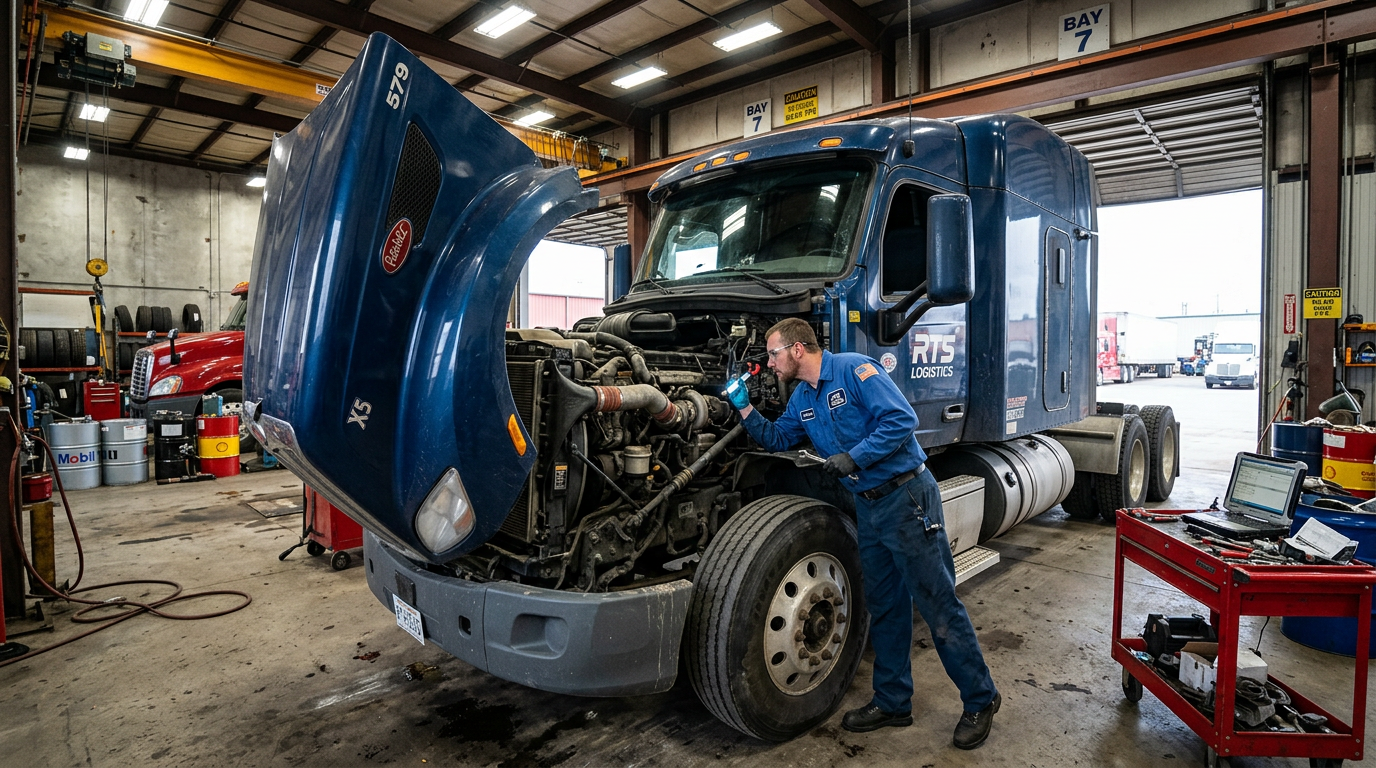
Starting a trucking company is exciting for all the obvious reasons: freedom, higher earning potential, and the satisfaction of building something that’s yours. But once the paperwork is filed and the first loads are booked, reality hits fast. Trucks break. DOT inspections happen. Customers still expect on-time delivery even when a sensor light comes on at the worst possible moment.
That’s why preventive maintenance planning is not a “later” project. It’s one of the earliest systems you should build, right alongside your authority, insurance, and dispatch process. At 2nd 2 None Truck and Trailer Repair, we’ve seen the difference a real maintenance plan makes for new owner-operators and small fleets: fewer surprises, fewer missed loads, and a lot more control over costs.
Why Preventive Maintenance Should Be Part Of Your Business Plan
The initial phase of your work requires you to make decisions which create greater consequences than normal. The business loses all profit from the week because of a single unexpected maintenance task that requires work. The business loses revenue because one vehicle breaks down while driving which results in service interruption to customers. One violation of out-of-service status creates multiple problems which lead to delays and increased pressure and complete operational breakdown.
Your operation becomes predictable through the implementation of preventive maintenance. The system enables you to schedule operational downtime which eliminates the need for unexpected maintenance breaks. The system provides your business with predictable expenses which help you achieve financial stability during the initial six to twelve months of operations.
A strong planning process establishes safety procedures which ensure compliance with regulations. Your fleet maintenance records become essential to your business image when you enter the auditing process or prepare to hire drivers for your fleet expansion plans.
The Early Mistake Most New Carriers Make
A lot of new trucking companies start with a simple approach: “I’ll fix things when they break.” The conservation of cash appears to drive that particular way of thinking. The solution requires more expenses throughout time because this method generates unplanned service interruptions.
Your running pattern leads to the following sequence: you work at maximum capacity during peak times while you extend maintenance periods and you postpone minor repairs until the truck needs to undergo operational suspension. The total expenses for repairs increase while your business suffers financial losses during the truck’s time in the repair shop and additional costs for towing and canceled appointments might apply.
The implementation of preventive maintenance changes that situation. Your system will require repairs but you are able to identify problems during their initial stages which prevents them from developing into complete breakdowns.
What Preventive Maintenance Really Means For A New Trucking Company
Preventive maintenance includes more than oil changes as its only requirement. The system establishes a thorough maintenance schedule which ensures the truck and trailer remain operational for the road while minimizing equipment damage and identifying potential danger areas before they escalate into urgent situations. The system needs documentation because organizations require it to maintain compliance, preserve resale value, handle warranty claims, and make smart decisions for the future.
At a practical level, preventive maintenance planning usually includes:
- Regular service intervals based on miles, hours, and duty cycle
- Scheduled inspections for high-wear components like brakes, tires, belts, hoses, and suspension
- Basic electrical and lighting checks before DOT finds the issue for you
- A process for driver reports, even if you’re the driver, so problems don’t get forgotten
That routine becomes the backbone of reliability. The more consistent you are, the less chaos you deal with.
Building Your Preventive Maintenance Schedule
Your maintenance schedule should match how you actually run. Long haul, regional, heavy loads, hot climates, stop-and-go delivery routes, and idle time all change how components wear out.
A good starting point is to build three layers into your schedule:
Daily And Weekly Habits
This is about catching obvious issues before they become expensive. Fluids, air leaks, tires, lights, and brake feel are all things you can watch consistently. A lot of breakdowns start as small clues that were easy to miss during a busy week.
Mileage Or Time Based Service
The scheduled maintenance work which includes oil changes and filter replacements and greasing and coolant system checks and complete vehicle inspections must be arranged according to your business operations. Your maintenance schedule will become due sooner when you operate your equipment at full capacity during each week of the year, so you should select a maintenance provider who will handle your upcoming needs through pre-scheduled appointments.
Seasonal And Annual Planning
The weather changes will create negative effects on the performance of batteries and tires and cooling systems and air dryers. The annual inspection process provides an opportunity to choose which equipment to replace before it experiences operational failure. The establishment of a seasonal maintenance schedule provides organizations with an effective solution to decrease both winter equipment failures and summer heat-related breakdowns.
Don’t Forget The Trailer
New carriers often focus on the truck because that’s where the engine and major repairs live. But trailers are where DOT violations love to hide. Lights, brakes, tires, suspension, and air lines can put you out of service quickly if they’re neglected.
If you’re using a leased trailer or renting power-only, you still want a routine inspection approach. If you own the trailer, treat it like a revenue-producing asset that needs protection, not a piece of equipment you only look at when something drags or squeals.
Budgeting For Maintenance The Smart Way
Maintenance budgeting isn’t fun, but it’s a big part of how you survive your first year. The goal isn’t to predict every repair. It’s to avoid getting caught off guard.
A practical approach is to set aside money per mile into a maintenance reserve. The amount depends on your truck, miles, and how old the equipment is, but the idea stays the same: every load funds the future service and repairs that will keep you moving.
This also helps you make better decisions when a repair comes up. If the money is already reserved, you’re not forced into panic choices like delaying necessary work or using the cheapest option that won’t last.
Maintenance Records: Your Quiet Business Advantage
Good records do more than keep you organized. They help you:
- Prove maintenance compliance if you’re ever asked
- Track recurring issues so you can fix root causes
- Support warranty and parts claims
- Improve resale value when you upgrade equipment
- Make better decisions about whether to repair or replace
Records don’t need to be complicated, but they do need to be consistent. Even a simple system that tracks dates, mileage, work performed, and invoices can save you later.
Choosing A Shop And Building A Relationship
When you’re starting out, it’s tempting to bounce between shops based on who can get you in the fastest. Sometimes you have to, especially on the road. But having a consistent maintenance partner near your home base helps a lot.
A shop that knows your truck history can spot patterns, recommend proactive fixes, and keep your service routine on track. It also makes scheduling easier when your weeks get busy.
If you’re building a fleet, this matters even more. Standardizing maintenance reduces downtime and prevents different trucks from being maintained in totally different ways.
Preventive Maintenance Helps You Win Better Freight
This part doesn’t get talked about enough. Your brand maintains reliability, even though you operate with only one truck. The brokers and shippers remember carriers who make timely deliveries while maintaining effective communication. The occurrence of breakdowns leads to operational challenges, yet your business will face more difficulties if your team continues to develop last-minute problems.
The maintenance plan enables you to schedule service interruptions during times of decreased activity which helps you create service schedules while minimizing the chance of missing customer meetings. The business relationship develops strong through consistent interaction which enables your company to access superior transportation routes.
A Simple Way To Get Started This Week
When you open your trucking business, establish a basic operational plan which you will be able to implement as your first step. You should select service intervals which will establish your inspection schedule through reserve habit and regular inspection obligations. Then build from there as you learn your truck and your lanes.
You don’t need a perfect plan to start. You just need one that keeps you from running blind.
Closing Thoughts And Next Step
Starting a trucking company is more than getting authority and finding loads. The organization develops systems which ensure your operational time and your safety and your professional reputation. You should invest early in preventive maintenance planning because it allows you to maintain control over your operations and avoid unexpected equipment failures and emergency repair costs.
If you want help setting up a preventive maintenance routine or getting your equipment inspected and serviced by a team that understands what owner-operators and fleet managers deal with every day, call 2nd 2 None Truck and Trailer Repair at (334) 524-4848. The maintenance plan we design for you will match your business needs while keeping your trucks operational on the streets.