
24/7 Emergency Roadside Assistance
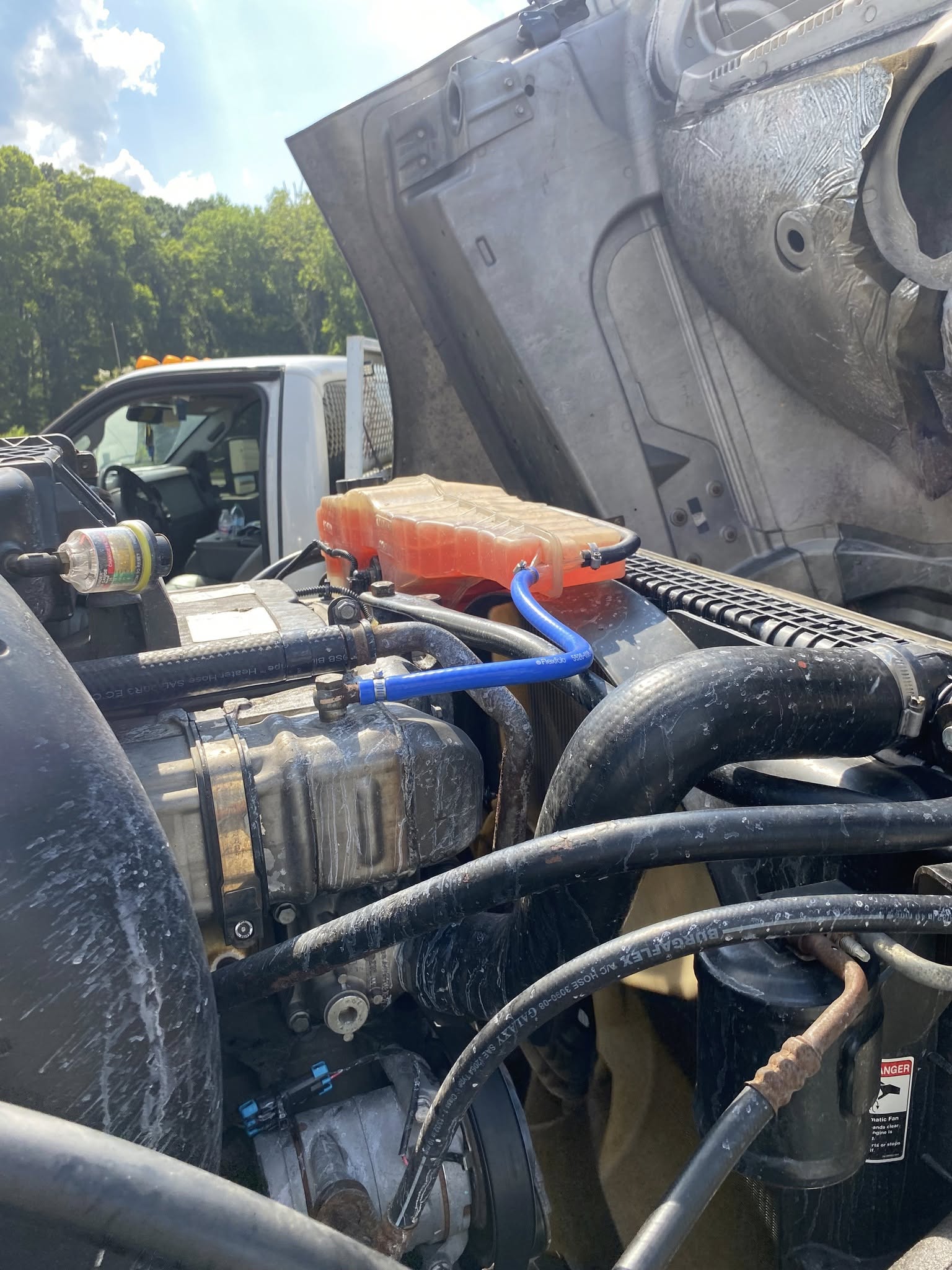
Diesel engines are renowned for their durability, power, and longevity. When properly maintained, a diesel engine can easily surpass 500,000 miles and continue delivering reliable performance for decades. However, achieving this impressive lifespan requires consistent care, attention to detail, and adherence to best practices. Whether you operate a commercial fleet or own a single diesel-powered truck or trailer, understanding how to maximize your engine’s longevity is essential for protecting your investment and minimizing costly repairs.
The Importance of Regular Oil Changes
One of the most critical factors in extending diesel engine life is maintaining a rigorous oil change schedule. Diesel engines operate under high compression and extreme temperatures, which places significant stress on engine oil. Over time, oil breaks down, loses its lubricating properties, and becomes contaminated with combustion byproducts, dirt, and metal particles.
Most manufacturers recommend oil changes every 5,000 to 7,500 miles for diesel engines, though this can vary based on operating conditions. If your truck frequently hauls heavy loads, operates in dusty environments, or idles for extended periods, you should consider more frequent oil changes. Always use high-quality diesel-specific oil that meets or exceeds your manufacturer’s specifications. The investment in premium oil and regular changes pays dividends by preventing premature wear on critical engine components like pistons, cylinders, and bearings.
Keep Your Fuel System Clean
The fuel system is the lifeblood of any diesel engine, and keeping it clean is paramount to engine longevity. Diesel fuel naturally attracts water and can harbor microbial growth, both of which can damage fuel injectors and compromise engine performance. Modern high-pressure common rail fuel systems are particularly sensitive to contamination.
Replace your fuel filters according to the manufacturer’s schedule, typically every 10,000 to 15,000 miles. Consider using fuel additives that help prevent water accumulation, clean injectors, and improve fuel lubricity. During winter months, anti-gel additives become essential to prevent fuel from solidifying in cold temperatures. Additionally, always fuel up at reputable stations that maintain their storage tanks properly and turn over inventory regularly to ensure you’re getting clean, fresh diesel.
Monitor and Maintain the Cooling System
Diesel engines generate tremendous heat, and the cooling system works overtime to maintain optimal operating temperatures. A well-maintained cooling system prevents overheating, which can warp cylinder heads, damage gaskets, and lead to catastrophic engine failure.
Regularly inspect coolant levels and check for leaks around hoses, the radiator, and water pump connections. Flush and replace coolant according to your maintenance schedule, typically every two to three years or 30,000 to 50,000 miles. Use only coolant formulations specified for diesel engines, as these contain additives that protect against cavitation, corrosion, and scaling. Keep the radiator clean and free from debris, and ensure the cooling fan operates properly. If your engine consistently runs hot, address the issue immediately before it causes permanent damage.
Don’t Neglect the Air Filtration System
Diesel engines consume massive volumes of air, and protecting them from dust, dirt, and debris is essential for longevity. A contaminated air filter restricts airflow, reduces engine efficiency, and allows harmful particles to enter the combustion chamber where they act like sandpaper on cylinder walls.
Inspect your air filter regularly and replace it when dirty or at scheduled intervals, typically every 15,000 to 30,000 miles depending on operating conditions. If you frequently drive on dirt roads or in dusty environments, check and replace filters more often. Some heavy-duty applications benefit from upgraded filtration systems that provide superior protection. Remember that a clean air filter improves fuel economy, reduces emissions, and significantly extends engine life.
Warm Up and Cool Down Properly
Diesel engines require proper warm-up and cool-down periods to maximize their lifespan. Unlike gasoline engines, diesels rely on compression heat for ignition and benefit from reaching optimal operating temperature before being pushed hard.
Allow your engine to idle for three to five minutes before driving, especially in cold weather. This lets oil circulate throughout the engine and brings all components to a safe operating temperature. Avoid excessive idling beyond the warm-up period, as prolonged idling can cause incomplete combustion and carbon buildup. After hard work or highway driving, allow the engine to idle for a few minutes before shutting down. This cool-down period is particularly important for turbocharged engines, as it allows the turbo to slow down gradually while oil continues circulating, preventing bearing damage from heat soak.
Address Issues Promptly
Modern diesel engines are equipped with sophisticated monitoring systems that alert you to potential problems. Never ignore warning lights, unusual noises, excessive smoke, or changes in performance. What begins as a minor issue can quickly escalate into major engine damage if left unaddressed.
Pay attention to your engine’s behavior. Excessive white smoke may indicate coolant entering the combustion chamber, black smoke suggests fuel system problems, and blue smoke points to oil consumption issues. Unusual knocking or rattling sounds require immediate investigation. Establishing a relationship with a qualified diesel mechanic ensures you have expert help when problems arise.
Use Quality Parts and Fluids
While it may be tempting to save money with aftermarket or economy-grade parts and fluids, this short-term savings often leads to long-term costs. Diesel engines are precision machines that demand quality components and lubricants formulated to withstand their demanding operating conditions.
Invest in OEM or premium aftermarket parts that meet or exceed original specifications. Use manufacturer-recommended oils, coolants, and filters. Quality diesel exhaust fluid (DEF) is also crucial for modern emissions systems. Substandard DEF can damage the selective catalytic reduction (SCR) system and trigger expensive repairs. The difference in cost between quality and economy products is minimal compared to the expense of premature engine wear or failure.
Maintain the Exhaust and Emissions Systems
Modern diesel engines incorporate complex emissions control systems including diesel particulate filters (DPF), exhaust gas recirculation (EGR) valves, and SCR systems. These components require proper maintenance to function correctly and prevent back pressure that can damage the engine.
Ensure your DPF regenerates properly by occasionally operating the engine under load at highway speeds. Monitor DEF levels and refill with quality product before the system triggers limp mode. Clean or replace the EGR valve according to maintenance schedules to prevent carbon buildup that restricts exhaust flow. While emissions equipment can seem burdensome, it’s an integral part of your engine system, and proper maintenance protects both the environment and your engine’s longevity.
Drive Responsibly
How you operate your diesel engine significantly impacts its lifespan. Avoid excessive idling, which wastes fuel and promotes carbon buildup. Don’t lug the engine by trying to pull heavy loads at low RPMs in high gears. Downshift appropriately when climbing hills or accelerating with weight.
Allow the engine to work within its optimal power band, typically between 1,500 and 2,500 RPM for most diesel engines. Avoid constant full-throttle operation, but also remember that diesel engines are designed to work. Occasional hard work under load is actually beneficial, helping to burn off carbon deposits and keep components exercised. The key is balanced operation that works the engine without abusing it.
Invest in Preventive Maintenance
The single most important factor in extending diesel engine life is adhering to a comprehensive preventive maintenance schedule. This includes all the previously mentioned practices plus regular inspections of belts, hoses, electrical connections, and mounting hardware.
Keep detailed maintenance records documenting all services, repairs, and parts replacements. This not only helps you stay on schedule but also provides valuable history if problems develop and increases resale value. Consider having your diesel serviced by qualified technicians who specialize in diesel engines and understand their unique requirements. The cost of preventive maintenance is always less than the cost of major repairs resulting from neglect.
Conclusion
Maximizing the lifespan of your diesel engine requires commitment to regular maintenance, attention to detail, and prompt response to problems. By following the practices outlined in this guide—maintaining clean oil and fuel systems, monitoring cooling and air filtration, operating the engine responsibly, and adhering to preventive maintenance schedules—you can ensure your diesel engine delivers hundreds of thousands of reliable miles.
At 2nd 2 None Truck and Trailer, we understand the critical importance of diesel engine maintenance for your business operations. Whether you need routine service, major repairs, or expert advice on maintaining your fleet, our experienced technicians are here to help keep your diesel engines running strong for years to come.
FAQs
How many miles should a diesel engine last?
With proper maintenance, a well-cared-for diesel engine can easily achieve 500,000 to 800,000 miles, and many commercial diesel engines surpass one million miles. Some fleet operators report engines lasting 1.5 million miles or more. The key factors determining longevity are consistent maintenance, operating conditions, and how the engine is driven. Engines that see highway miles with consistent speeds tend to last longer than those subjected to frequent stop-and-go driving or excessive idling.
How often should I change oil in my diesel engine?
Most diesel engines require oil changes every 5,000 to 7,500 miles under normal operating conditions. However, severe operating conditions—including frequent towing, dusty environments, extreme temperatures, or extensive idling—may require more frequent changes, potentially every 3,000 to 5,000 miles. Always consult your owner’s manual for manufacturer recommendations and consider having your oil analyzed if you’re unsure about appropriate intervals for your specific usage.
Is synthetic oil better for diesel engines?
Yes, synthetic oil generally provides superior protection for diesel engines compared to conventional oil. Synthetic oils offer better flow in cold temperatures, maintain viscosity at high temperatures, resist breakdown over time, and provide superior protection against wear. While synthetic oil costs more upfront, it often allows for extended drain intervals and provides better long-term protection, making it a worthwhile investment for maximizing engine life.
What causes white smoke from a diesel engine?
White smoke from a diesel engine typically indicates unburned fuel or coolant entering the combustion chamber. Common causes include faulty injectors, low compression, incorrect injection timing, or a blown head gasket allowing coolant into the cylinders. Brief white smoke during cold starts is normal as the engine warms up, but persistent white smoke requires immediate diagnostic attention to prevent serious engine damage.
How important is fuel quality for diesel engines?
Fuel quality is extremely important for diesel engine longevity. Poor quality fuel can contain excessive water, biological contaminants, sediment, or insufficient lubricity additives that damage fuel injection systems. Modern high-pressure common rail fuel systems are particularly sensitive to contamination, with repair costs often exceeding $10,000. Always purchase fuel from reputable stations with high turnover, use quality fuel filters, and consider fuel additives to ensure optimal fuel quality.
Should I let my diesel engine idle to warm up?
Yes, allowing your diesel engine to idle for three to five minutes before driving is beneficial, especially in cold weather. This warm-up period allows oil to circulate throughout the engine and brings components to a safe operating temperature before placing them under load. However, extended idling beyond the warm-up period is generally harmful, causing incomplete combustion, carbon buildup, and unnecessary engine wear.
What is diesel engine “blow-by” and is it normal?
Blow-by occurs when combustion gases escape past the piston rings into the crankcase. Some blow-by is normal in diesel engines due to their high compression ratios. However, excessive blow-by indicates worn piston rings, cylinder walls, or valve guides and leads to increased oil consumption, reduced power, and contaminated oil. If you notice excessive pressure in the crankcase, oil leaks around seals, or oil in the air intake system, have your engine inspected for excessive blow-by.
How do I prevent diesel fuel from gelling in winter?
Diesel fuel can gel in cold temperatures when paraffin wax crystals solidify, blocking fuel filters and preventing the engine from running. Prevent gelling by using winter-blend diesel fuel, adding anti-gel fuel additives before temperatures drop, keeping your fuel tank at least half full to minimize condensation, and parking in heated spaces when possible. If your fuel has already gelled, you’ll need to warm the fuel system gradually and may need to replace fuel filters.
What maintenance does a diesel turbocharger need?
Turbochargers require proper lubrication, which means maintaining clean oil and regular oil changes are essential. Always allow turbo engines to idle for a few minutes after hard work to cool down the turbo while oil continues circulating. Check for exhaust leaks that can damage the turbine housing, ensure the air filtration system is clean to prevent debris from entering the compressor, and watch for excessive smoke or unusual noises that might indicate turbo problems. Most turbochargers last 150,000 miles or more with proper care.
Can I use biodiesel in my diesel engine?
Most modern diesel engines can safely use biodiesel blends up to B20 (20% biodiesel, 80% petroleum diesel) without modifications, though you should verify your manufacturer’s recommendations. Pure biodiesel (B100) may require modifications and is not approved by most manufacturers. Biodiesel can act as a solvent, potentially loosening deposits in older fuel systems and clogging filters initially. It also has different storage characteristics and may support microbial growth more readily than petroleum diesel, requiring more attention to fuel system maintenance.