Monday to Friday - 8:00AM - 7:00PM
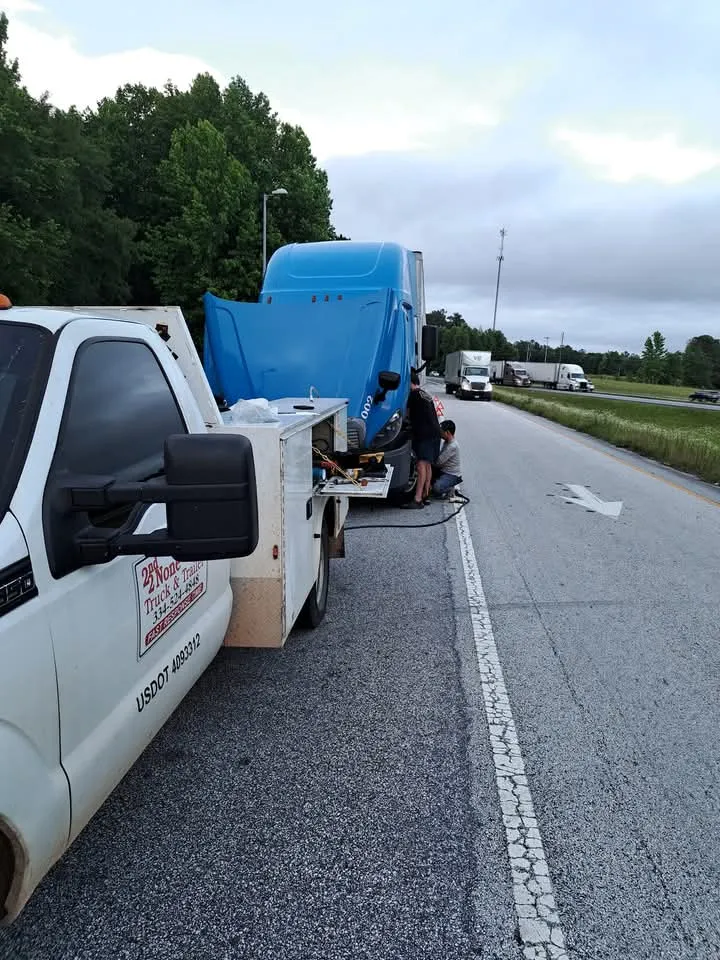
Essential Safety & Recovery Steps
When your semi truck breaks down unexpectedly, every second counts. Whether you’re hauling critical cargo or driving an empty trailer, a breakdown on the highway presents serious safety risks and potential delays that can impact your entire operation. At 2nd 2 None Truck and Trailer, we’ve seen every type of breakdown scenario, and we know that having a clear action plan can mean the difference between a minor inconvenience and a major catastrophe.
This comprehensive guide will walk you through the immediate steps every professional driver should take when their rig stops running, from the moment you first notice trouble until help arrives.
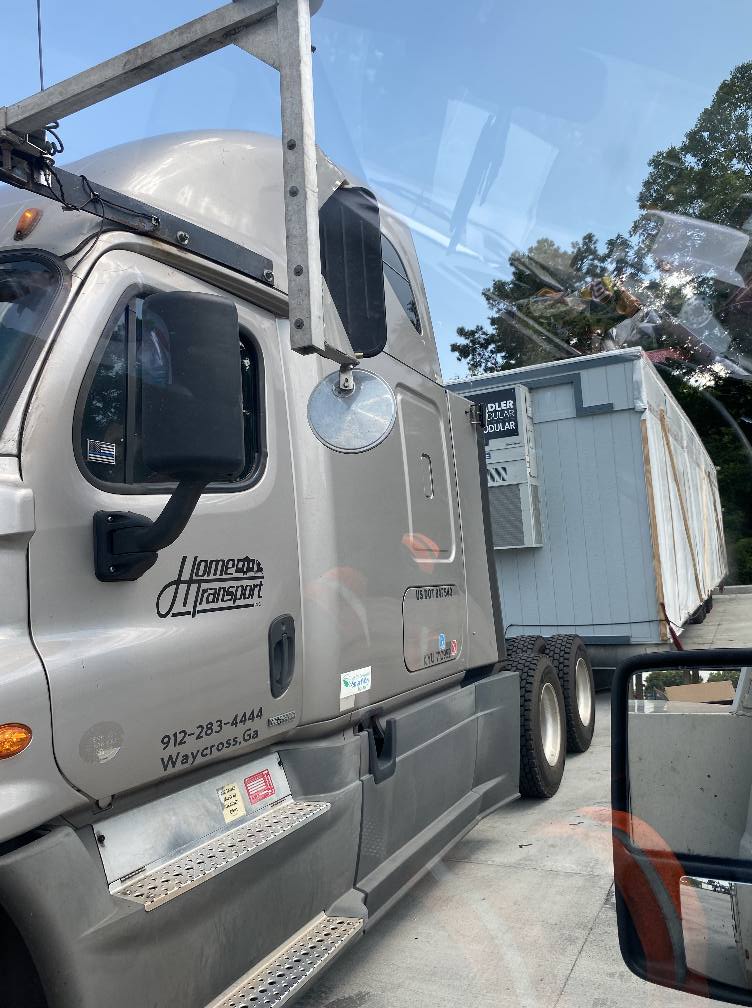
The Critical First 60 Seconds: Immediate Safety Actions
1. Stay Calm and Assess the Situation
The moment you realize your truck is experiencing mechanical failure, your first priority is maintaining control. Don’t panic—sudden movements or poor decisions in these crucial seconds can turn a mechanical problem into a serious accident.
Immediately do:
- Keep both hands firmly on the steering wheel
- Check your mirrors for surrounding traffic
- Begin looking for the safest place to stop
- Turn on your hazard lights immediately
2. Get Off the Road Safely
Your goal is to move your disabled truck as far from active traffic lanes as possible. The ideal stopping location provides maximum visibility and safety for both you and other motorists.
Best stopping locations (in order of preference):
- Truck stops or rest areas
- Wide, paved shoulders with good visibility
- Exit ramps or on-ramps (if you can safely reach them)
- Emergency pull-off areas
Locations to avoid:
- Curves, hills, or anywhere with limited visibility
- Narrow shoulders
- Bridge approaches or overpasses
- Areas with overhead obstacles
3. Position Your Vehicle for Maximum Safety
Once you’ve stopped, proper positioning can prevent secondary accidents and make recovery easier.
Key positioning steps:
- Pull as far right as safely possible
- Keep your wheels straight and pointing forward
- If on an incline, angle your truck slightly uphill
- Leave enough space between your truck and any barriers for safe exit
Making Your Breakdown Visible: Warning Device Deployment
Setting Up Emergency Triangles
Federal Motor Carrier Safety Administration (FMCSA) regulations require specific placement of warning triangles, and proper setup can save lives.
Triangle placement for highway breakdowns:
- Place the first triangle 10 feet behind your truck
- Place the second triangle 100 feet behind your truck
- Place the third triangle 200 feet behind your truck
- On curves or hills, place triangles where approaching traffic will see them at least 500 feet away
For divided highways:
- Place triangles only on the traffic side where your vehicle is stopped
- If stopped on the left side of a divided highway, place triangles ahead of your truck instead of behind
Additional Warning Methods
Beyond the required triangles, maximize your visibility with these additional safety measures:
- Keep hazard lights flashing continuously
- Turn on all clearance and identification lights
- Use flares if available and weather permits (never use near fuel spills)
- If you have them, deploy LED road flares for better visibility in all weather conditions
Communication Protocol: Getting Help on the Way
1. Contact Emergency Services (If Needed)
Call 911 immediately if:
- Anyone is injured
- Your truck is blocking traffic lanes
- Hazardous materials are involved
- You’re in an unsafe location and cannot move
2. Notify Your Dispatcher or Fleet Manager
Provide clear, accurate information:
- Your exact location (mile marker, exit number, GPS coordinates)
- Nature of the breakdown
- Whether the truck can be moved
- Estimated timeline for repairs
- Any safety concerns
3. Call for Roadside Assistance or Repair Services
When contacting your service provider or companies like 2nd 2 None Truck and Trailer:
Essential information to provide:
- Truck make, model, and year
- Exact location and direction of travel
- Specific symptoms or problems observed
- Whether you’re loaded or empty
- Any immediate safety concerns
- Your contact information and availability
Conducting a Safe Preliminary Assessment
External Inspection
Before diving into diagnostics, conduct a visual inspection to identify obvious problems and potential safety hazards.
Check these areas systematically:
- Tires and wheels: Look for blowouts, excessive wear, or damage
- Suspension components: Check for broken springs, damaged air bags, or leaking shock absorbers
- Exhaust system: Look for visible damage or excessive smoke
- Fluid leaks: Identify any puddles under the truck and their approximate location
- Electrical issues: Check for damaged wiring, blown fuses, or corroded connections
Engine Bay Inspection (When Safe)
Only inspect the engine if the truck has completely cooled down and you’re in a safe location.
Key items to check:
- Coolant levels and signs of overheating
- Oil levels and condition
- Belt condition and tension
- Air filter restriction
- Obvious disconnected hoses or wires
Warning signs that require immediate professional attention:
- Steam or smoke from the engine bay
- Strong fuel odors
- Unusual noises continuing after shutdown
- Visible fluid spraying or major leaks
Managing Cargo and Load Security
Securing Your Load
A breakdown doesn’t eliminate your responsibility for cargo security. Take immediate steps to protect your freight and comply with regulations.
Immediate actions:
- Ensure all load securement devices remain properly tensioned
- Check that shifting hasn’t occurred during the breakdown
- If carrying hazardous materials, follow your emergency procedures
- Document the condition of your cargo with photos if possible
Temperature-Controlled Loads
If you’re hauling refrigerated cargo:
- Note the trailer temperature immediately
- Check fuel levels for the refrigeration unit
- If the reefer unit is running, monitor it closely
- Contact your dispatcher about potential load transfer if repairs will be lengthy
Personal Safety During the Breakdown
Staying Safe While Waiting
Your personal safety is paramount while waiting for assistance.
Safety guidelines:
- Stay with your truck when possible—it’s more visible than you are
- If you must exit, use the door away from traffic
- Wear high-visibility clothing if available
- Never attempt to flag down passing vehicles
- Stay alert to your surroundings and weather conditions
When to Abandon Your Vehicle
In certain situations, staying with your truck may be more dangerous than leaving:
- If your truck is smoking or showing signs of fire
- During severe weather that makes your location extremely hazardous
- If you’re in an area with aggressive wildlife
- When law enforcement instructs you to evacuate
Working with Professional Repair Services
Preparing for the Service Call
When professional help arrives, having information organized will speed up the repair process.
Have ready:
- Vehicle registration and insurance information
- Maintenance records if available
- Description of what happened leading up to the breakdown
- Any error codes or warning lights observed
- Your planned route and schedule constraints
Understanding Your Options
Professional repair services like 2nd 2 None Truck and Trailer typically offer several approaches:
On-site repairs: For issues that can be safely resolved roadside Towing to a shop: When specialized equipment or parts are needed Mobile service: Bringing shop-quality repairs to your location Emergency temporary fixes: Getting you safely to a proper repair facility.
Preventing Future Breakdowns
Pre-Trip Inspection Excellence
The best breakdown is the one that never happens. Thorough pre-trip inspections remain your first line of defense.
Critical daily checks:
- Engine oil and coolant levels
- Tire condition and pressure
- Brake system components
- Electrical systems and connections
- Belt condition and tension
- Air system integrity
Recognizing Warning Signs
Early detection of problems can prevent catastrophic failures:
Engine-related warnings:
- Unusual noises or vibrations
- Changes in power output
- Temperature gauge variations
- Oil pressure fluctuations
Transmission and drivetrain signals:
- Shifting difficulties
- Unusual sounds during gear changes
- Vibrations in the driveline
- Clutch engagement problems
Documentation and Follow-Up
Keeping Records
Proper documentation protects you legally and helps prevent future issues.
Document everything:
- Time and location of breakdown
- Weather and road conditions
- Steps taken for safety
- Photos of the scene and any damage
- Names and badge numbers of responding officers
- Service provider information and work performed
Insurance and Liability Considerations
Contact your insurance provider promptly to report the incident, especially if:
- Other vehicles were involved
- Property damage occurred
- Environmental concerns exist
- Cargo was damaged or compromised
The 2nd 2 None Truck and Trailer Advantage
When breakdowns happen, having a reliable partner makes all the difference. Our experienced technicians understand the urgency of getting you back on the road safely and efficiently. We provide comprehensive roadside assistance, emergency repairs, and preventive maintenance services designed to minimize your downtime and maximize your operational efficiency.
Remember, a breakdown is rarely just about the immediate mechanical failure—it’s about safety, cargo protection, schedule maintenance, and getting back to profitable operation as quickly as possible. By following these proven procedures and partnering with experienced professionals, you can turn a potentially disastrous situation into a manageable inconvenience.
Final Thoughts
Every breakdown situation is unique, but having a systematic approach ensures you’ll handle whatever comes your way professionally and safely. The key is preparation—both in terms of having the right knowledge and maintaining relationships with reliable service providers who understand the trucking industry.
Stay safe out there, and remember that when mechanical issues arise, 2nd 2 None Truck and Trailer is here to get you back on the road with minimal disruption to your operation.
For 24/7 emergency roadside assistance and comprehensive truck and trailer services, contact 2nd 2 None Truck and Trailer. Our experienced team is standing by to help keep your operation moving safely and efficiently.